
MISSIONS
Yesterday was the first perfect day of the year

The community archive website for the village where M and I live has been online for a year now, and beta-tested by several people. But, as was anticipated, there’s so much material added that the archive has outgrown my personal website - which is home to lots of other things I do. High time that I built a dedicated website for the archive, and that’s what I’ve been busy with lately. It’s finished, is easy to use, looks gorgeous and will be live any day now.
For local subscribers to this newsletter, I’m hosting an open house drop-in Saturday April 26 and Sunday April 27. Come by anytime between 2pm-5pm and see how the site works, find out how to submit stories, photographs or take part in an oral history or podcast. You can find out too how to volunteer as a researcher or archival steward. Bring a neighbour.
I want to reinforce why community archives matter because I get asked this all the time. County archives throughout the UK do outstanding work, I spend many hours a year in the places. But community archives gather what a county archive can’t reach, the everyday what’s on in the village hall or the local pub, the name of a field and the timeline of the folk who farmed it, the story of a house over two centuries… If you’re doing some family research, say, what a community archive can do is help you narrow down your search before you arrive at a county archives centre. A community archive brings your place’s history together in one accessible, local space. And it’s a community archive because it’s shaped by the people who live there.
Last year I wrote about our little front garden.
Come May, our most order-loving neighbours stop to admire our little front garden. Even JLH, whose garden reflects the tidy values of his generation and would make a groundskeeper proud, knocked on the door.
“The wildflowers look lovely,” he said.
The deep-rooted herbs, like yarrow and salad burnet, mine nutrients from lower soil layers, making them available to shallower-rooted wildflowers. The legumes, red clover and bird’s foot trefoil, fix nitrogen, feeding the entire plant community. Meanwhile, the structural grasses we seeded, like cocksfoot and meadow foxtail, provide framework and stability, while allowing space for self-seeding flowers. It’s pretty, for sure, but it’s also a functioning ecosystem where each species contributes something essential to the whole system’s health and resilience.
I also wrote about what happened next. After the demolition of the farm next door, rye and couch grass went to seed and blew into our garden, threatening to overwhelm it. I set to work back then to get rid of that invasion, but barely managed a quarter of it.
But yesterday. Yesterday was the first perfect day of the year.
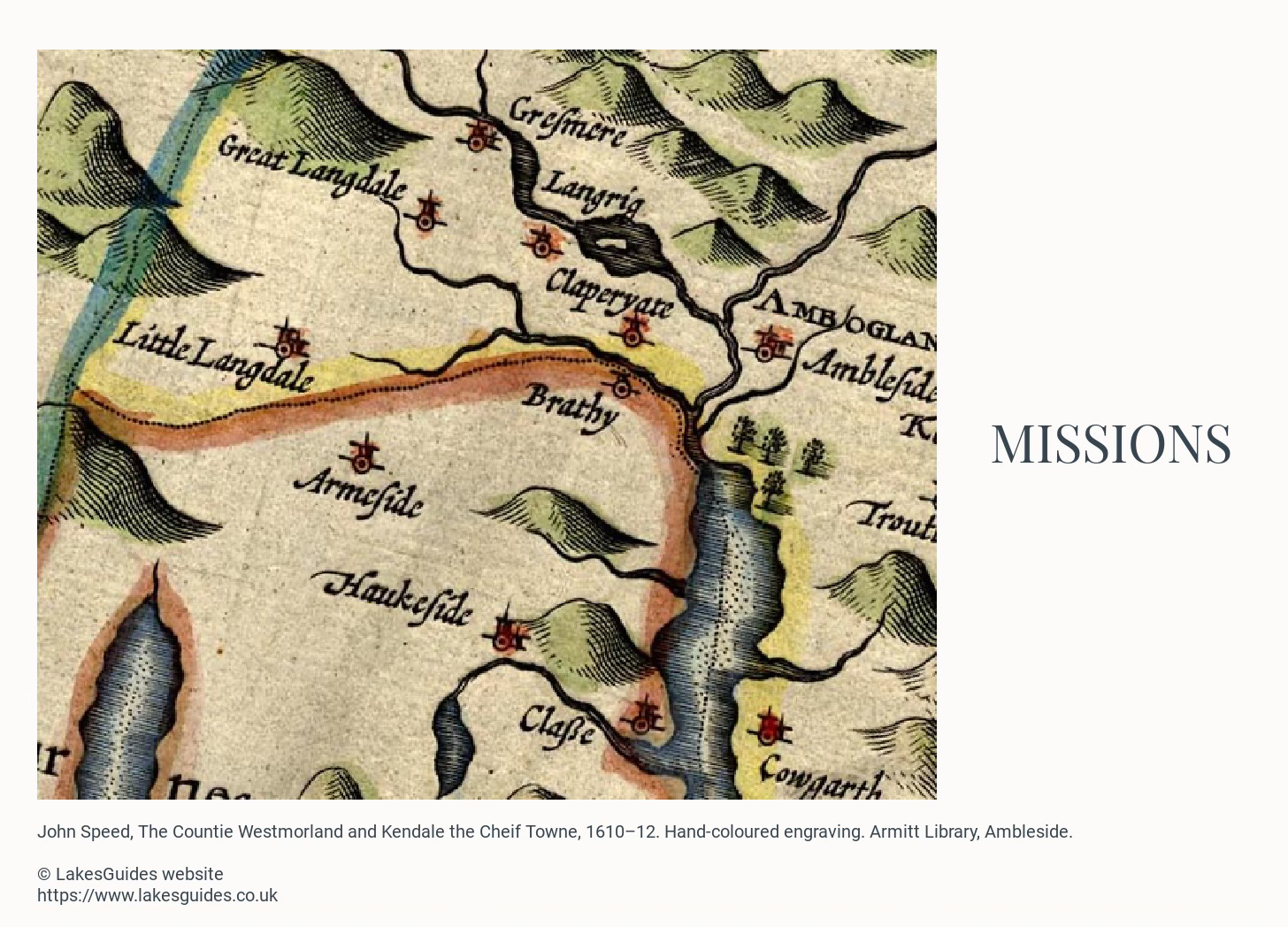
M headed to Ambleside with his mountain bike in the back of the car. By the time he got back to the car he’d ridden about twenty-six miles, and climbed about three thousand four-hundred feet. I love hearing about his route when he gets home. Ambleside, where the River Brathay falls away below, and through Clappersgate to Skelwith Fold, Pull Woods - on the way to Wreay Castle - and onto Basecamp.1 Claife Heights down to Colthouse, to Hawkshead to Iron Keld - a plantation on the flank of Black Fell where the bridleway opens up and you can really see the jagged outline of the Langdale Pikes. Hodge Close - down into that flooded slate quarry. Back up into High Tilberthwaite and from there over to the bottom of Wrynose Pass to Little Langdale. From Chapel Stile into Red Bank, along Loughrigg Terrace - Grasmere laid out beneath him, and down into Ambleside again.
While M was cycling, I began to lift the band of random-sized paving flags in the front garden that run the length of the cottage beneath the windows, where we like to sit on the bench and watch the sun set over the Solway. I was on my hands and knees, rooting out the rye and couch before the growing season really kicks off. The flags got heavier as the day went on, of course they did.
There’s nothing like an open-house weekend, and a house that’ll soon be up for sale, to initiate a flurry of activity.
This morning, M and I ache for different reasons.
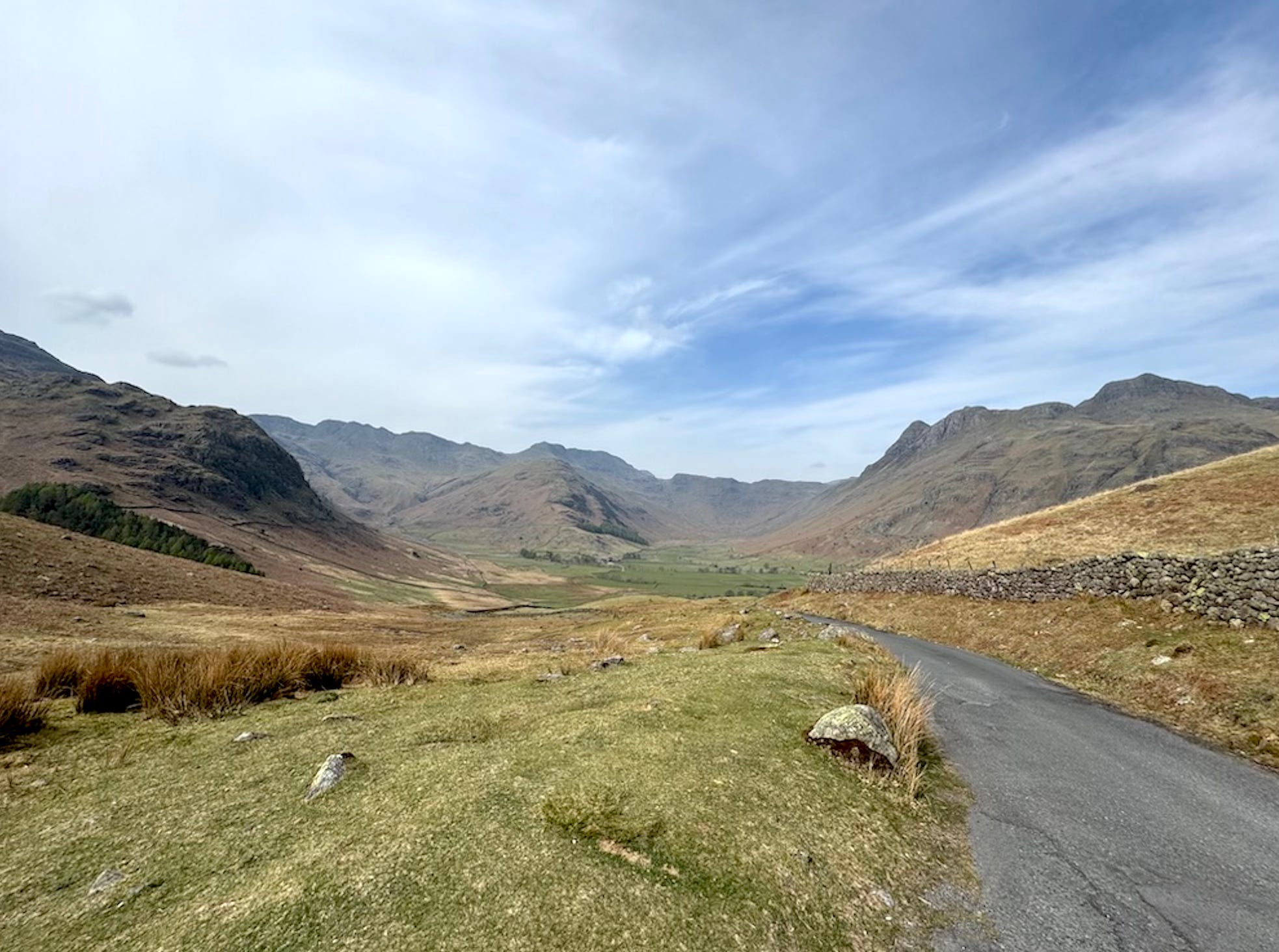
Where there are ten padlocks on the gate at Latterbarrow. Unlocking just one of the padlocks opens the gate, but apparently the reason for the insane number of them is so that various farmers, the Forestry Commission, the National Trust etc. have access without having to share the same key.
I too wish I could come in person to the open house and join everyone for a lesson and a look at the website for the first time in person. I’m excited to see it. Also I laughed so hard at the end the gate with all the locks so they don’t have to share a key. I don’t know why that tickles my funny bone but it does. lol!
I look forward to seeing the community website, Bee. It is a wonderful thing to do for your neighbours.